
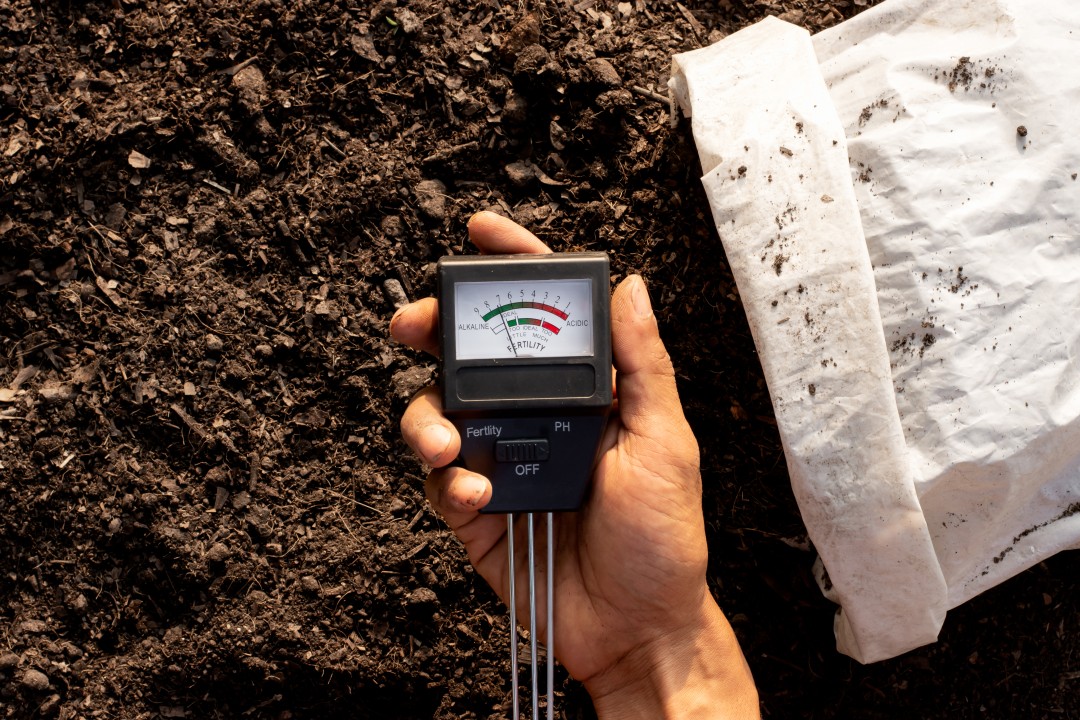
Soil Resistivity: The Foundation of a Safe Earthing System
Introduction
A reliable earthing system is essential for electrical safety in industrial, commercial, and residential installations. One of the most important factors that determines the effectiveness of an earthing system is soil resistivity. Even a well-designed earthing electrode can fail if the surrounding soil has high resistivity.
Understanding soil resistivity helps engineers design safe grounding systems, reduce electrical hazards, and ensure compliance with recognized safety standards.
What Is Soil Resistivity?
Soil resistivity refers to the resistance offered by soil to the flow of electrical current. It indicates how easily electric current can pass through the ground surrounding an earthing electrode.
Soil resistivity is usually measured in:
- Ohm-meters (Ω-m)
- Ohm-centimeters (Ω-cm)
The lower the soil resistivity, the easier it is for electrical current to dissipate safely into the ground.
Key Principle
- Low soil resistivity → Effective earthing
- High soil resistivity → Poor grounding performance
This is why soil resistivity plays a critical role in the design of any grounding system.
Factors Affecting Soil Resistivity
Soil resistivity is not constant. It varies depending on several environmental and geological factors:
1. Soil Type
Different soil types have different electrical properties. Clay soil usually has lower resistivity, while sandy or rocky soil tends to have higher resistivity.
2. Moisture Content
Moist soil conducts electricity better than dry soil. During dry seasons, soil resistivity may increase significantly.
3. Temperature
When soil temperature drops near freezing point, resistivity increases because moisture content reduces.
4. Chemical Composition
The presence of salts and minerals can improve soil conductivity and lower resistivity.
5. Seasonal Variations
Soil resistivity may vary between summer and monsoon due to changes in moisture levels.
Because of these variables, soil conditions must always be analyzed before designing an earthing system.
Why Soil Resistivity Testing Is Important
Soil resistivity testing is essential before installing any grounding system. It helps engineers design the most efficient earthing arrangement for the site.
Key benefits include:
- Determining the correct number of earth electrodes
- Selecting the appropriate electrode depth
- Reducing overall earth resistance
- Preventing electric shock hazards
- Improving system reliability
- Ensuring compliance with standards such as IS 3043 and IEEE grounding guidelines
Without proper soil resistivity testing, earthing systems are often installed based on assumptions, which can lead to poor performance and safety risks.
How Soil Resistivity Is Measured
The most commonly used method for measuring soil resistivity is the Wenner Four-Pin Method.
In this method:
- Four equally spaced electrodes are driven into the ground.
- Electric current is passed through the outer electrodes.
- Voltage is measured across the inner electrodes.
- Using the measured values, soil resistivity is calculated.
This method provides accurate data that helps engineers determine the best earthing design for the site.
Improving High Soil Resistivity
In locations where soil resistivity is high, several techniques can be used to improve earthing performance:
- Increasing the depth of the earth electrode
- Installing multiple earthing electrodes
- Using conductive backfill materials
- Applying earthing enhancement compounds
Advanced materials such as Control-R Gel help reduce soil resistivity by creating a conductive interface between the electrode and surrounding soil. These compounds also help maintain stable grounding performance over long periods.
Conclusion
Soil resistivity is the backbone of every effective earthing system. Proper testing and evaluation of soil conditions are essential before designing any grounding installation.
By understanding soil characteristics and using appropriate improvement techniques, engineers can ensure reliable earthing performance even in challenging soil conditions. Proper soil resistivity management ultimately leads to safer electrical systems, improved equipment protection, and compliance with international grounding standards.