
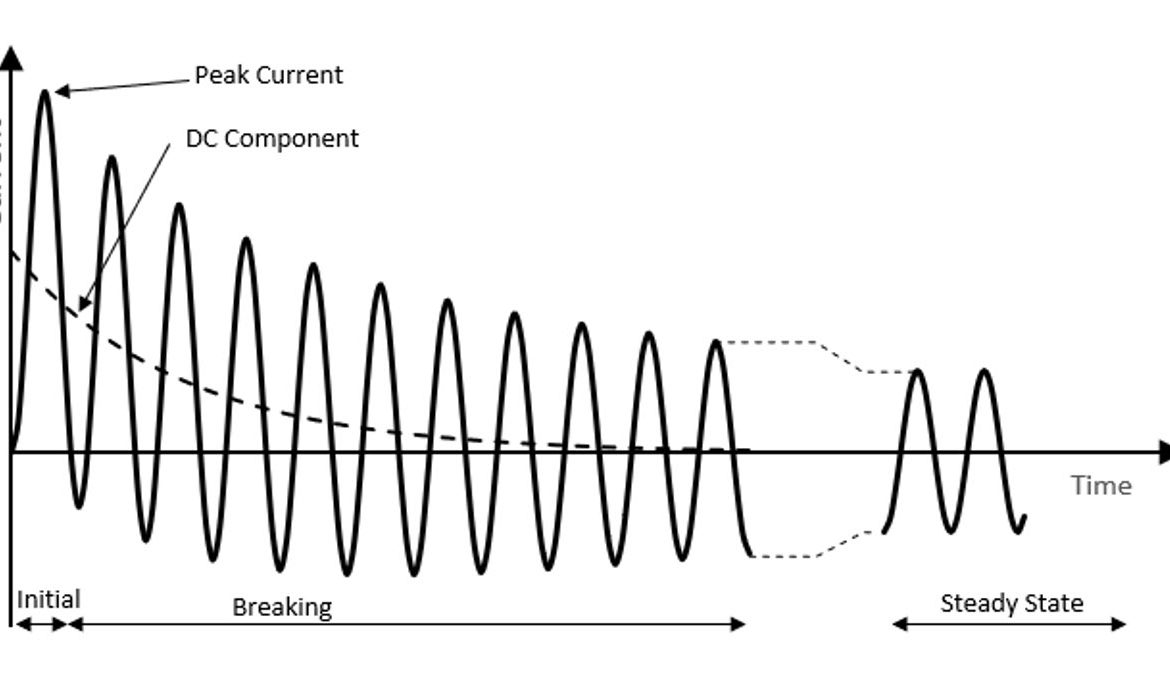
Fault Current: Understanding Its Role in Electrical Safety
Introduction
Electrical systems are designed to operate within specific current limits. However, when abnormal conditions occur, excessive current can flow through the system. This excessive current is known as fault current.
Fault current is one of the most dangerous events in an electrical network. If it is not quickly detected and safely dissipated, it can cause severe equipment damage, electrical fires, and serious risks to human safety. Understanding fault current and controlling it through proper grounding is essential for maintaining a safe electrical system.
What Is Fault Current?
Fault current refers to the abnormally high electric current that flows in a circuit when a fault occurs. These faults typically happen when the normal path of electrical current is disrupted or when unintended connections are created within the system.
Common causes of fault current include:
- Insulation failure
- Short circuits between conductors
- Line-to-ground faults
- Equipment malfunction or breakdown
- Damage to cables or electrical components
During such events, current may bypass normal resistance in the circuit, resulting in a sudden surge of electrical energy.
Why Fault Current Is Dangerous
Fault current can create serious hazards if it is not controlled properly. The high magnitude of current generates excessive heat and electrical stress on system components.
Major dangers associated with fault current include:
- Overheating of conductors and cables
- Damage to transformers, switchgear, and electrical panels
- Arc flash incidents that can injure personnel
- Generation of dangerous step and touch voltages
- Electrical fires and explosions
Without proper protective systems, fault current can spread quickly through the electrical network, causing widespread damage.
Role of Earthing in Fault Current Dissipation
A properly designed earthing (grounding) system is essential for safely managing fault current.
The primary purpose of earthing is to provide a low-resistance path for fault current to flow safely into the ground. When this path is available, the electrical system can quickly detect the fault and activate protective devices.
Effective earthing allows:
- Protective relays to detect faults accurately
- Circuit breakers to trip rapidly
- Fault currents to dissipate safely into the ground
- Electrical equipment to remain protected from severe damage
Without proper grounding, fault current may remain in the system and create dangerous voltage levels.
What Happens If Earthing Is Poor
Poor earthing can significantly increase the risks associated with fault current.
When the earthing system has high resistance or poor conductivity:
- Fault current may circulate within the electrical network
- Protective devices may fail to operate correctly
- Metal enclosures and structures may become energized
- Step and touch voltages can reach dangerous levels
- The risk of electrocution increases
This is why maintaining a low-resistance grounding system is critical for electrical safety.
How to Control Fault Current Effectively
Managing fault current requires a combination of proper system design and regular maintenance of the earthing system.
Key practices include:
- Maintaining low earth resistance
- Ensuring good soil conductivity
- Installing properly designed earthing grids and electrodes
- Conducting regular earthing system testing
- Improving grounding performance using enhancement materials
Modern earthing enhancement compounds such as Control-R Gel help improve soil conductivity and reduce ground resistance. By creating a stable conductive environment around the electrode, these materials allow fault current to dissipate more efficiently into the ground.
Conclusion
Fault current is an unavoidable condition in electrical systems, but it must be carefully controlled to prevent accidents and equipment damage. A well-designed and properly maintained earthing system plays a vital role in safely managing these high currents.
By ensuring low earth resistance, using reliable grounding techniques, and adopting effective soil enhancement solutions when required, electrical systems can safely handle fault conditions while protecting both people and infrastructure.